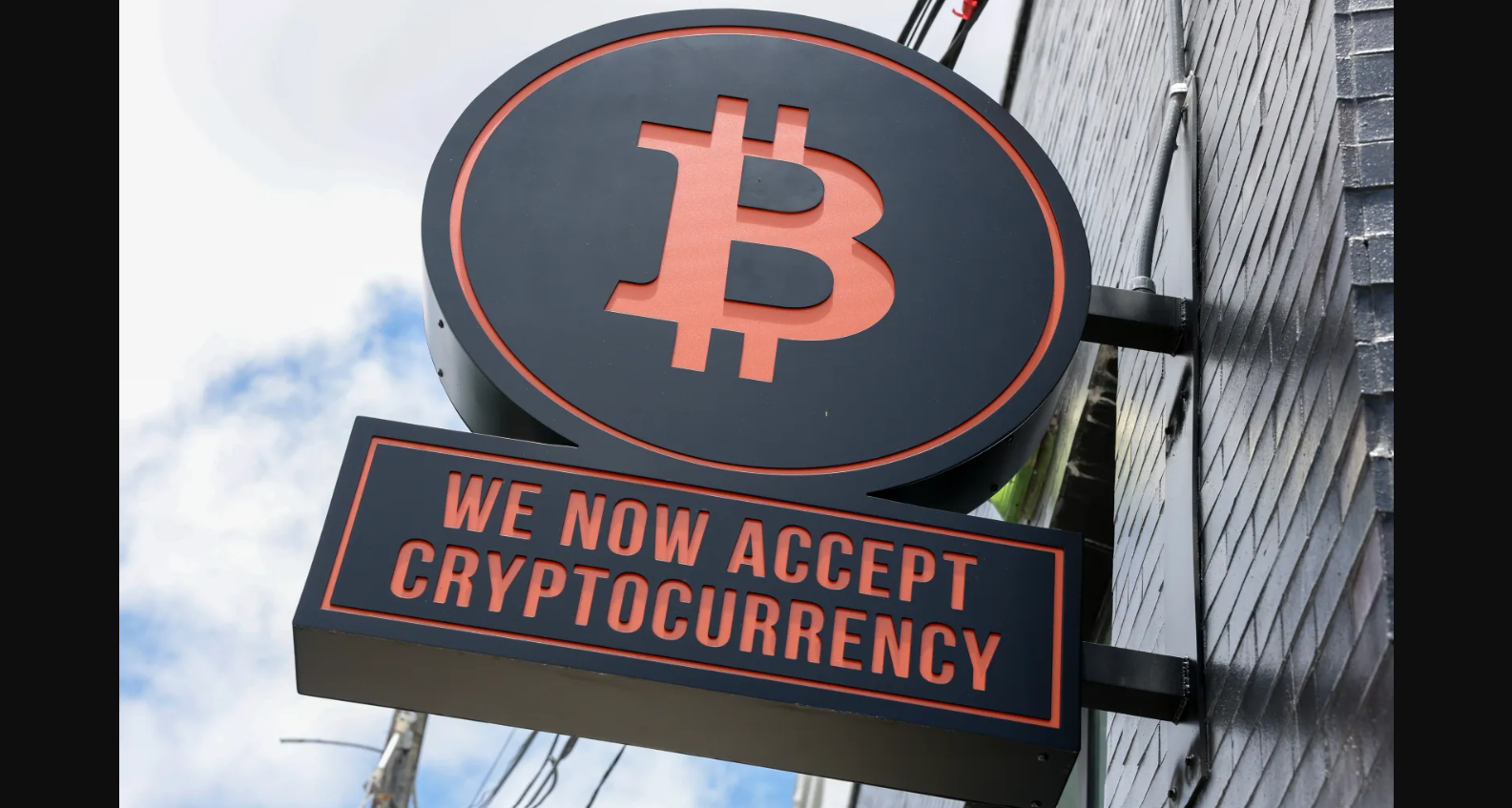
When the Old System Cracked, the New One Held
Why Banks, Governments, and Wall Street Took Notice
Financial crises have a way of revealing truths.
During bank outages, accounts froze.
During market panics, withdrawals stalled.
During geopolitical conflicts, assets were restricted overnight.
Yet blockchain networks kept running.
No emergency committees.
No liquidity meetings.
No special permissions.
Bitcoin produced a new block roughly every 10 minutes — indifferent to fear, headlines, or politics.
That reliability changed the conversation.
From Skepticism to Strategy
At first, institutions laughed at crypto.
Then they studied it.
Then they tested it.
Then they quietly integrated it.
By the early 2020s:
- Major banks explored tokenized assets
- Asset managers added Bitcoin to portfolios
- Governments piloted Central Bank Digital Currencies (CBDCs)
- Payment giants integrated crypto rails
Not because crypto was fashionable — but because it reduced friction and cost.
Real-Life Examples: Institutional Adoption
BlackRock
The world’s largest asset manager launched crypto investment products after client demand surged.
Visa & Mastercard
Both process crypto-linked transactions and use blockchain infrastructure for settlement experiments.
El Salvador
Adopted Bitcoin as legal tender to reduce remittance costs and expand financial inclusion.
Suggested Chart
Chart 2: Institutional Crypto Adoption Over Time
- 2015–2018: Experimental
- 2019–2021: Strategic pilots
- 2022–Present: Infrastructure integration
(Line graph showing adoption curve)
The narrative shifted.
Crypto wasn’t a threat to finance.
It was finance — upgraded.
PART III — A World Where Finance Has No Borders
What Happens When Money Becomes Programmable
Imagine a financial system where:
- Loans execute automatically
- Settlements occur instantly
- Markets never close
- Access doesn’t depend on geography
That system already exists.
It’s called decentralized finance (DeFi).
How Crypto Is Rewriting Financial Rules
Smart Contracts
Agreements that execute automatically when conditions are met — no lawyers, no delays.
Tokenization
Stocks, real estate, and commodities represented digitally, traded globally, fractionally owned.
Permissionless Innovation
Anyone can build financial tools without asking a bank or regulator for approval.
Real-Life Examples: The Future in Action
Microloans Without Banks
Farmers in emerging markets access capital via blockchain lending platforms.
24/7 Global Markets
Crypto exchanges never close — no holidays, no opening bells.
Instant Settlement
Transactions finalize in minutes instead of days.
Suggested Chart
Chart 3: Settlement Time Comparison
- Traditional stock settlement: 2–3 days
- International wire transfer: 1–5 days
- Blockchain settlement: Minutes
(Timeline visualization)
The End of “Crypto” as a Concept
One day, cryptocurrency won’t feel revolutionary.
Just like:
- Email replaced fax
- Streaming replaced DVDs
- Mobile replaced landlines
Crypto will fade into infrastructure.
You won’t “use crypto.”
You’ll just use money — faster, fairer, and global by default.
FINAL WORD
Cryptocurrency didn’t promise perfection.
It promised progress.
And block by block, transaction by transaction, it’s becoming the foundation of the next financial era.